Best Homeschool Curriculum for Kindergarten: Complete Guide (2026)
Everything you need to choose the right kindergarten homeschool curriculum — from all-in-one packages to mix-and-match approaches.
By The Slow Childhood
The best homeschool curriculum for kindergarten is the one that matches your family's values, your child's readiness, and your own teaching confidence — and for many families, that might mean no formal curriculum at all. If you want an all-in-one package, Timberdoodle Kindergarten Kit offers the best combination of hands-on activities, academic readiness, and minimal preparation. If you prefer a gentle, literature-based approach, Sonlight K or My Father's World K are excellent choices. But before you spend a dollar, read our section on whether you even need a kindergarten curriculum, because the honest answer might surprise you.
Do You Even Need a Curriculum for Kindergarten?
This is the question we wish every new homeschool parent would ask before anything else. If you are brand new to this world, our guide on how to start homeschooling covers the fundamentals before you spend anything on curriculum. The answer, supported by both research and the experience of thousands of homeschool families, is: probably not.
Kindergarten as we know it today — with worksheets, sight word lists, and formal reading instruction — bears little resemblance to what Friedrich Froebel envisioned when he founded the first kindergarten in 1837. The word literally means "children's garden," and Froebel's vision was a place for play, song, nature, and exploration.
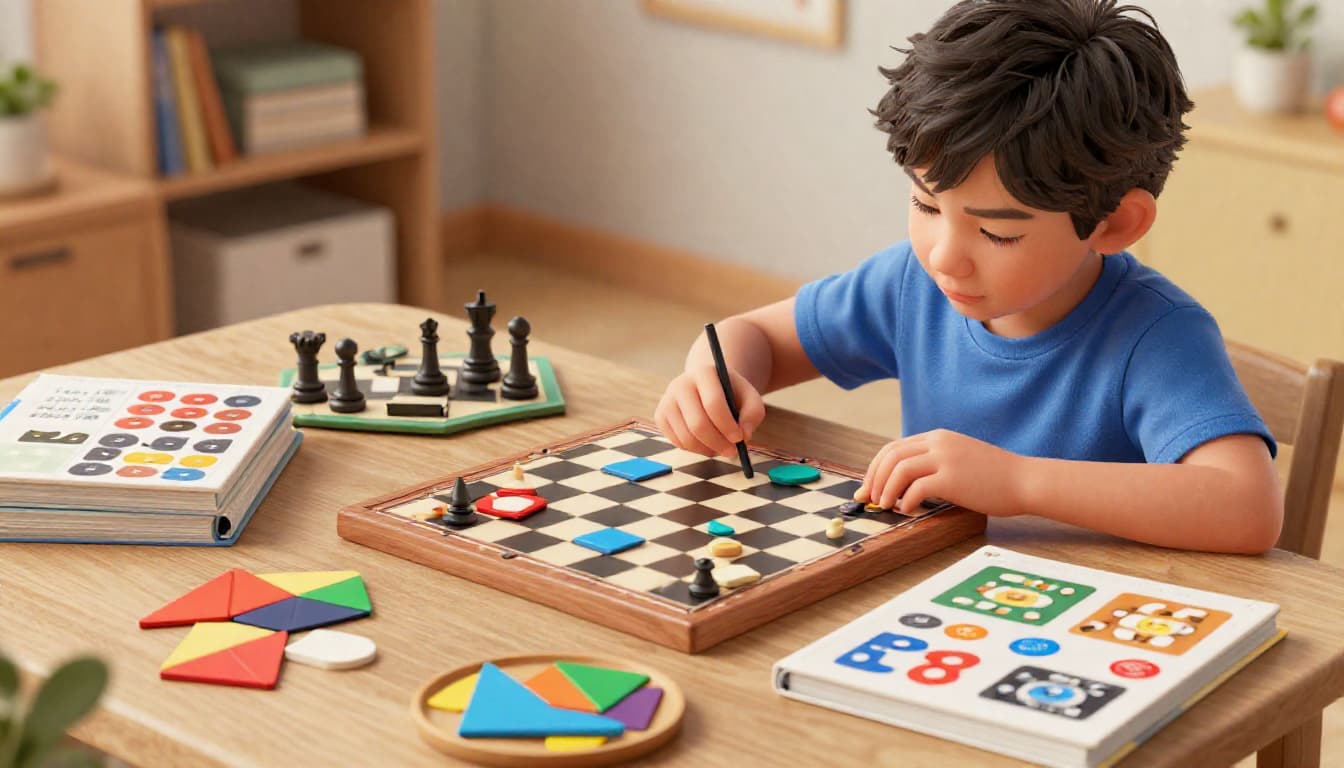
Here is what a five-year-old actually needs for a strong educational foundation:
- Daily read-alouds — 20-30 minutes of being read to by a loving adult
- Outdoor play — running, climbing, digging, exploring nature
- Free play — building, pretending, creating without adult direction
- Conversation — rich vocabulary exposure through talking, storytelling, and songs
- Gentle letter and number exposure — letter magnets on the fridge, counting rocks on a walk, writing their name
- Practical life skills — helping in the kitchen, caring for pets, dressing themselves
If you provide these things consistently, your child will enter first grade more than ready. Many experienced homeschool parents will tell you that the best kindergarten curriculum is a library card and a backyard.
That said, a curriculum can provide structure that helps you feel confident, ensures you do not forget anything, and gives your days a gentle rhythm. If that is what you need, here are the best options.
1. Timberdoodle Kindergarten Kit
Timberdoodle curates a box of hand-picked materials from various publishers, assembling them into a complete kindergarten package. The kit includes math (typically Right Start or Math-U-See), language arts, science, art, and thinking skills components.
Pros:
- Extremely hands-on — the kit is full of manipulatives, puzzles, and building materials
- Curated by experienced homeschoolers who test everything with real children
- Includes a detailed weekly schedule so you know exactly what to do each day
- Thinking skills and STEM components that most other curricula lack
- Non-religious version available for secular homeschool families
- Excellent customer service and active community
Cons:
- Most expensive option on this list (kits run $300-$500 depending on configuration)
- You may not love every component they have selected
- The sheer number of materials can feel overwhelming at first
- Some items feel like fillers rather than essentials
Best for: Families who want everything decided, purchased, and scheduled for them. If decision fatigue is your biggest obstacle, Timberdoodle removes it entirely.
2. Sonlight K (Kindergarten)
Sonlight is a literature-based homeschool program that builds learning around beautiful books. The K package includes a carefully curated library of picture books, early readers, a read-aloud Bible, and instructor guides with daily schedules.
Pros:
- Literature-rich approach cultivates a deep love of reading from day one
- The book selections are outstanding — many become family favorites for life
- Instructor guides include discussion questions, activities, and scheduling
- Gentle pacing that respects the developmental stage of five-year-olds
- Excellent for families who already love reading together
Cons:
- Expensive for what you receive (the books are wonderful, but the markup is significant)
- Heavily Christian in worldview — not suitable for secular families
- Less hands-on than Timberdoodle — more sitting and listening
- You can replicate much of the experience with a good library list for free
- Requires a parent who enjoys reading aloud for extended periods
Best for: Christian families who want a literature-centered kindergarten built on beautiful books. If your child loves being read to and you enjoy curating a literary childhood, Sonlight delivers.
3. My Father's World Kindergarten
My Father's World (MFW) K combines elements of Charlotte Mason, classical, and unit study approaches around a creation theme. Each week focuses on a letter of the alphabet with corresponding activities across subjects.
Pros:
- Well-organized weekly themes make planning easy
- Integrates multiple subjects around a single focus — efficient and engaging
- Charlotte Mason elements like nature study, art, and music appreciation included
- More affordable than Timberdoodle or Sonlight
- Gentle, age-appropriate pacing
- Strong community of users for support and ideas
Cons:
- Christian curriculum with creation-focused science
- Art and music components are basic and may need supplementing
- Some parents find the weekly letter focus too slow or too structured
- Math component is not as strong as dedicated math curricula
- Less hands-on exploration than Timberdoodle
Best for: Christian families who want an affordable, well-organized kindergarten with Charlotte Mason influence. MFW K is particularly beloved among first-time homeschool parents for its clarity and ease of use.
4. The Good and the Beautiful Kindergarten
TGATB offers a free downloadable kindergarten language arts course plus separate math and science courses. The materials are known for their stunning visual design and gentle approach.
Pros:
- Free PDF downloads for language arts make this the most budget-friendly formal option
- Visually beautiful materials that children enjoy working with
- Integrates art, poetry, and nature appreciation into language arts lessons
- Gentle, non-stressful pacing appropriate for young children
- Can be combined with their free handwriting program for a complete package
- Strong phonics component within the language arts course
Cons:
- Contains religious content (LDS perspective) though it is generally mild
- The free PDFs require printing, which adds cost if you print everything
- Less hands-on than Timberdoodle
- Science and math courses are sold separately
- Quality varies between subjects — language arts is strongest
Best for: Budget-conscious families who want beautiful, structured materials. The fact that the core curriculum is free makes TGATB an unbeatable starting point for families unsure about their commitment to homeschooling.
5. Build Your Library Kindergarten
Build Your Library (BYL) is a secular, literature-based program inspired by Charlotte Mason principles. The kindergarten level uses living books as the foundation for all subjects, with an emphasis on read-alouds, narration, and hands-on activities.
Pros:
- Fully secular — the strongest secular option on this list
- Literature-rich with outstanding book selections
- Charlotte Mason practices (narration, nature study) built into the schedule
- Includes science, art, and music appreciation
- Well-organized lesson plans with a clear daily schedule
- Community of secular homeschoolers for support
Cons:
- Requires purchasing many books (library can supplement, but some titles may be hard to find)
- Newer program with a smaller community than Sonlight or MFW
- Less hands-on manipulation than Timberdoodle
- Math is recommended separately (they suggest Beast Academy or Singapore Math)
- Parent-intensive — you are reading and discussing for much of the day
Best for: Secular families who want a Charlotte Mason-inspired, literature-based kindergarten. If you have been looking at the Charlotte Mason philosophy and want a secular implementation, BYL is your best option.
6. The DIY / Eclectic Approach
Many experienced homeschool families skip packaged kindergarten curricula entirely and build their own from individual components. A typical DIY kindergarten might include a phonics program, a math manipulative or game, library books, and lots of outdoor time.
A sample DIY kindergarten day:
- 15 minutes: Phonics (All About Reading Pre-1 or Teach Your Child to Read in 100 Easy Lessons)
- 15 minutes: Math (counting games, Right Start games, or Singapore Earlybird)
- 20-30 minutes: Read-aloud time
- 30-60 minutes: Outdoor play and nature observation
- Free play, art, music, practical life activities throughout the day
Pros:
- Completely customized to your child's interests and readiness
- Most affordable approach — use the library, free printables, and items you already have
- Maximum flexibility in pacing and scheduling
- No wasted time on components that do not fit your child
- Teaches you, the parent, to trust your own judgment
Cons:
- Requires more planning and decision-making from the parent
- Can trigger anxiety in first-time homeschoolers ("Am I doing enough?")
- No built-in schedule or accountability structure
- Harder to explain to skeptical relatives or comply with state reporting
Best for: Confident parents who know their child well and are comfortable making their own educational decisions. Also ideal for families on a tight budget or those who are homeschooling kindergarten informally while they figure out their long-term approach.
What Kindergartners Actually Need to Learn
If you are worried about "falling behind," here is what your child should be working toward by the end of kindergarten — not necessarily mastering, but working toward:
Reading Readiness
- Recognizes all 26 uppercase and lowercase letters
- Knows the sounds each letter makes
- Can rhyme and hear beginning sounds in words
- Beginning to blend simple three-letter words (CVC words like "cat" and "dog")
- Enjoys being read to and can retell simple stories
Math Readiness
- Counts to at least 20 (ideally to 100)
- Recognizes written numbers 0-10
- Understands concepts of more, less, and equal
- Can sort objects by color, shape, and size
- Beginning to understand simple addition and subtraction with objects
Everything Else
- Can write their first name
- Uses scissors with reasonable control
- Can follow two- or three-step instructions
- Shows curiosity about the natural world
- Plays cooperatively with other children at least some of the time
Notice what is not on this list: worksheets completed, reading chapter books, memorizing math facts, sitting still for hours. Those expectations belong in later years, if they belong anywhere at all.
Our Recommendation
For most kindergarten homeschool families, we recommend one of two paths:
Path 1: The Gentle Start. Skip formal curriculum entirely. Read aloud for 20-30 minutes daily, play outside for at least an hour, do 10-15 minutes of letter and number play, and let everything else be free play, art, nature, and practical life. Revisit the curriculum question when your child is 6 or 7.
Path 2: The Structured Start. Choose Timberdoodle (for hands-on learners), Sonlight K (for book lovers in Christian families), or Build Your Library K (for book lovers in secular families). Use it as a gentle guide, not a rigid mandate. Skip anything that causes tears or frustration — your child has years of learning ahead.
The single most important thing you can do for your kindergartner has nothing to do with curriculum. It is to protect their sense of wonder, their love of exploration, and their confidence that learning is a joyful, natural part of life. Everything else is just details.
Frequently Asked Questions
- Do I need a full curriculum for homeschool kindergarten?
- No. Kindergarten can be very informal. Many successful homeschool families use a play-based approach with daily read-alouds, nature time, and gentle math and letter activities — no formal curriculum required. If you prefer structure, an all-in-one program like Timberdoodle or Sonlight K provides a complete framework.
- How many hours a day should I homeschool a kindergartner?
- Most kindergartners need only 1-2 hours of structured learning per day. The rest should be free play, outdoor time, read-alouds, and practical life activities. Formal kindergarten is not legally required in most US states.
- What subjects should I teach in homeschool kindergarten?
- Focus on reading readiness (letter sounds, phonemic awareness), early math (counting, number recognition, patterns), and read-alouds. Art, music, nature study, and physical activity round out a complete kindergarten experience. Social studies and formal science can wait.
- Is homeschool kindergarten better than public school?
- Homeschool kindergarten offers advantages like individualized pacing, more outdoor time, and less screen exposure. Research shows homeschooled children typically perform at or above grade level by third grade regardless of when formal instruction began.
Enjoying this article?
Get more ideas like this delivered to your inbox every week.