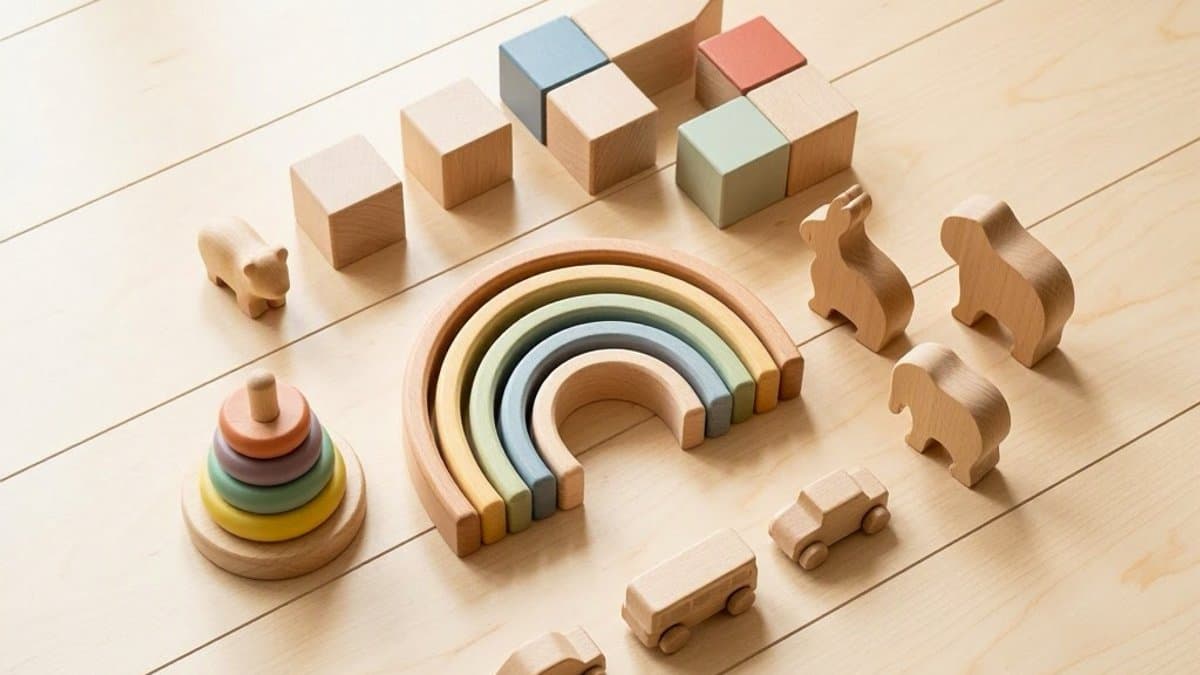
How to Set Up a Seasonal Nature Table (Waldorf & Montessori Inspired)
Create a seasonal nature table that brings the outdoors in — with ideas for spring, summer, fall, and winter displays your whole family will love.
By The Slow Childhood
A seasonal nature table is a small display space in your home — a shelf, tray, or low table — where you and your children collect and arrange natural items that reflect the current season. Originating from Waldorf education, this practice creates a living connection to the rhythms of the natural world and invites children to observe how the outdoors changes throughout the year. Setting one up is simple: choose a low surface your child can access, lay down a seasonal-colored cloth, and arrange found objects from your walks — leaves, stones, pinecones, shells, feathers, and flowers alongside figurines, candles, and seasonal artwork. Below you will find a complete guide to setting up your first nature table, with specific ideas and items for spring, summer, fall, and winter.
The Purpose of a Nature Table
A nature table is not just decoration, though it is certainly beautiful. It serves several deeper purposes in a family's life.
Connection to Natural Rhythms
Modern life — with its climate-controlled homes, artificial lighting, and screen-based entertainment — can disconnect families from the natural world. A nature table creates a daily touchpoint with the outdoors. When the display changes from golden leaves and acorns to evergreen branches and pinecones, children internalize the transition from fall to winter. They begin to anticipate and observe seasonal changes with excitement and awareness.
Observation and Scientific Thinking
Children who maintain a nature table develop keen observational skills. They notice when the first crocuses push through the snow. They compare the shapes of different leaves. They watch a pinecone open in warm air and close in humidity. These are the seeds of scientific thinking — observation, comparison, hypothesis, and wonder. Many families find that a nature table naturally inspires nature art projects using the same collected materials.
Reverence and Care
In Waldorf philosophy, the nature table cultivates reverence for the natural world. Children learn to handle delicate items gently, to arrange things with care, and to appreciate beauty in ordinary objects. This sense of reverence extends beyond the table — children who learn to cherish a fallen leaf are more likely to respect and protect the living tree it came from.
Family Ritual
Updating the nature table becomes a seasonal ritual that the whole family participates in. Weekend nature walks take on new purpose when everyone is looking for treasures to add to the display. Pairing these walks with a nature journal gives children a way to record their observations alongside the physical display. Changing the table for a new season becomes an event — removing the old, laying down a fresh cloth, and arranging new objects together.
Choosing Your Space
The Surface
You need a flat surface at the child's eye level or within easy reach. Options include:
- A low shelf or bookcase top
- A wide windowsill (natural light enhances the display beautifully)
- A small side table or TV tray
- The top of a low cabinet
- A corner of a bookshelf with one shelf dedicated to the nature table
- A large wooden tray placed on a table or shelf (this option is portable and easy to move)
The surface should be in a common area where the family spends time — living room, playroom, or dining room — so the nature table is seen and interacted with daily. Avoid high-traffic areas where it might get knocked over, and avoid out-of-the-way spots where it will be forgotten.
Size
A nature table does not need to be large. A space roughly 12 by 18 inches is plenty. Some families use an entire shelf; others use a single tray. Start small and expand if your family enjoys it.
The Foundation: Seasonal Cloths
A simple cloth draped over the surface sets the seasonal mood and provides a backdrop for your display. In Waldorf tradition, specific colors correspond to each season:
- Spring: Light green, pale yellow, pink, or lavender — the colors of new growth and blossoms.
- Summer: Bright green, sky blue, sunny yellow, or warm orange — the colors of full growth and warmth.
- Fall: Gold, rust, deep red, brown, or burnt orange — the colors of harvest and turning leaves.
- Winter: White, silver, deep blue, or evergreen — the colors of snow, ice, and dormancy.
Use silk scarves, cotton napkins, linen remnants, felt pieces, or any fabric you have in the right color. Playsilks, which are popular in Waldorf circles, drape beautifully and come in many colors.
Spring Nature Table
Spring is about emergence, rebirth, and new growth. The nature table should feel fresh, light, and full of possibility.
Items to Collect and Display
- Early spring flowers: Crocuses, daffodils, snowdrops, tulips (in a small vase of water), or pressed flowers from last season
- Budding branches: Cut a small branch with emerging buds and place it in a jar of water. Over the days, children can watch the buds open — a living nature lesson
- Bird nests: If you find an abandoned nest on the ground (never take one from a tree), it makes a beautiful centerpiece
- Eggs: Wooden eggs, ceramic eggs, or real eggshells (blown and emptied) symbolize new life
- Feathers: Collected from outdoor walks
- Seeds and sprouts: A small tray of sprouting seeds (bean sprouts, wheatgrass, or sunflower sprouts) adds a living element
- Moss and lichen: Collected from the ground or fallen branches
- Small stones or crystals: Clear quartz, rose quartz, or smooth river stones
- Butterflies and caterpillars: Figurines or handmade felt versions represent metamorphosis
- Seasonal figurines: Small wooden or felt rabbits, chicks, lambs, or garden gnomes
Display Ideas
Lay down a green or yellow cloth. Place a vase of budding branches in the back corner. Nestle a bird nest beside it. Arrange eggs, feathers, and stones across the foreground. Add a small pot of sprouting seeds. Place a butterfly figurine on a branch. As spring progresses, update the display with fresh flowers and newly found objects.
Summer Nature Table
Summer is full, vibrant, and abundant. The nature table should feel warm, colorful, and alive.
Items to Collect and Display
- Wildflowers: A small jar of fresh-picked wildflowers, changed every few days
- Shells and sea glass: If you visit the beach, bring back treasures
- Smooth stones: River stones, painted rocks, or crystals that catch the light
- Dried grasses and wheat: Bundle a few stalks together with twine
- Insects: Figurines of butterflies, ladybugs, bees, and dragonflies
- Fruit and vegetables: A small bowl of seasonal produce — cherries, strawberries, tomatoes — adds color and fragrance
- Sunflower heads: Fresh or dried
- Fern fronds: Pressed or fresh in a vase
- Sand: A small tray of sand with shells for a miniature beach scene
- Sun symbols: A small sun ornament, a gold star, or a yellow silk
Display Ideas
Use a bright green or blue cloth. Place a jar of wildflowers at the center. Scatter shells and stones around the base. Add a small bowl of summer fruit. Position insect figurines among the flowers. Lay dried grasses along the back. If you have sand, create a small beach scene on a tray within the display.
Fall Nature Table
Fall is the richest season for nature table materials. Everything outdoors is turning, falling, and preparing for dormancy.
Items to Collect and Display
- Colored leaves: Press the most beautiful ones or simply scatter them across the display. They will curl and dry naturally.
- Acorns and acorn caps: Abundant under oak trees in early fall
- Pinecones: Various sizes and types — spruce, pine, fir
- Chestnuts and horse chestnuts: Their glossy brown surfaces are irresistible
- Dried corn and corn husks: Mini decorative corn ears or a few husks
- Gourds and small pumpkins: One or two miniature gourds or a small sugar pumpkin
- Seed pods: Collect interesting pods from trees and wildflowers
- Bark: Pieces of loose bark with interesting textures
- Apples: A few small apples add fragrance and color
- Beeswax candles: A beeswax taper or pillar candle adds warmth and a natural honey scent (light only with adult supervision)
- Mushrooms: Wooden mushroom figurines (real mushrooms decompose too quickly)
- Harvest figurines: Wooden farmers, felt gnomes in autumn colors, or handmade cornhusk dolls
- Animal figurines: Squirrels, foxes, hedgehogs, owls, and other animals preparing for winter
Display Ideas
Drape a rust, gold, or burnt-orange cloth over the surface. Pile leaves and pinecones across the display. Place a small pumpkin or gourd at the center. Scatter acorns and chestnuts. Stand a beeswax candle behind the arrangement. Position a squirrel figurine gathering acorns. This season's nature table practically assembles itself from a single autumn walk.
Winter Nature Table
Winter is spare, quiet, and reflective. The nature table should feel calm, clean, and a little magical.
Items to Collect and Display
- Evergreen branches: Small cuttings of pine, spruce, cedar, or juniper — they add color and fragrance to the winter display
- Pinecones: Large ones make a beautiful winter focal point
- Dried berries: Holly berries, winterberry branches (in a vase), or dried rose hips
- Crystals and geodes: Clear quartz, amethyst, or pyrite sparkle in winter light and evoke ice and frost
- Birch bark: White birch bark pieces echo the winter landscape
- Dried seed pods: Interesting shapes that remain through winter
- White stones and pebbles: For a snowy ground effect
- Wool, cotton, or white felt: Arrange as "snow" across the display surface
- Beeswax candles: The warm glow of candlelight is especially welcome in winter
- Snowflakes: Paper snowflakes, wooden snowflake ornaments, or crystal snowflake decorations
- Animal figurines: Hibernating animals (bears, hedgehogs), arctic animals (polar bears, penguins, snowy owls), and birds that stay through winter (cardinals, blue jays)
- Stars: Paper stars, wooden stars, or a string of small star lights — winter is the season of long nights and bright stars
Display Ideas
Lay a white or deep blue cloth across the surface. Spread a layer of white wool or cotton as "snow." Place evergreen branches in the background. Set crystals and a beeswax candle at the center. Scatter pinecones and dried berries. Nestle a small felt or wooden animal into the "snow." Hang a paper star above the display. The winter nature table should feel serene and contemplative.
Maintaining and Evolving Your Nature Table
How Often to Update
You do not need to change the entire display at once. The nature table should evolve gradually, just as the seasons do. Add a new item after a walk. Remove a leaf that has crumbled. Replace wilting flowers with fresh ones. The transition from one season to the next can happen over several weeks as you swap items gradually.
Involving Children
The nature table belongs to the whole family, and children should be active participants in curating it. Let them decide where to place new items. Ask them what they want to look for on the next walk. Let older children arrange the display themselves. The more ownership children feel over the nature table, the more meaningful it becomes.
When Items Decompose
Natural items decay — and that is part of the lesson. Leaves crumble. Flowers wilt. Apples soften. When an item has run its course, remove it together and talk about decomposition and the cycle of life. Some items (pinecones, stones, shells, crystals) last indefinitely and can be used season after season.
Keeping It Simple
The most common mistake with nature tables is overcomplicating them. You do not need expensive figurines, special shelves, or a Pinterest-perfect arrangement. A wooden tray, a cloth, and three objects from your backyard is a nature table. Start there and let it grow organically.
Nature Table as a Living Classroom
A nature table is a quiet, persistent teacher. It teaches children to observe closely, to notice change, to handle delicate things with care, and to find beauty in the everyday natural world. It brings the outdoors into your home in a way that a houseplant or a window view cannot — because the child is the curator, the collector, and the steward of the display. It costs almost nothing, takes almost no space, and creates a focal point for wonder in your family's daily life. Set one up this week with whatever you can gather from your next walk outside.
Frequently Asked Questions
- What is a nature table?
- A nature table is a small display space — a shelf, tray, or small table — where families collect and display items from nature that reflect the current season. Originating from Waldorf education, it creates a connection to natural rhythms and encourages children to observe seasonal changes. Items might include leaves, pine cones, shells, crystals, seasonal figurines, and natural fabrics.
- Where should I put a nature table?
- Place your nature table where children can access it freely — a low shelf in the living room, a corner of the playroom, or a windowsill that gets natural light. It should be at the child's eye level so they can observe and interact with items. Avoid high-traffic areas where displays might get knocked over.
- What do you put on a nature table in winter?
- Winter nature table items include: evergreen branches, pine cones, dried berries, crystals or geodes, white or blue silks, snowflake decorations, animal figurines (hibernating animals, arctic animals), birch bark, dried seed pods, beeswax candles, and white wool or cotton for snow.
Enjoying this article?
Get more ideas like this delivered to your inbox every week.