Best Outdoor Toys for Kids That Encourage Active Play (2026)
The best outdoor toys for kids of every age — from toddler climbing toys to backyard games for the whole family. Focus on open-ended, screen-free active play.
By The Slow Childhood
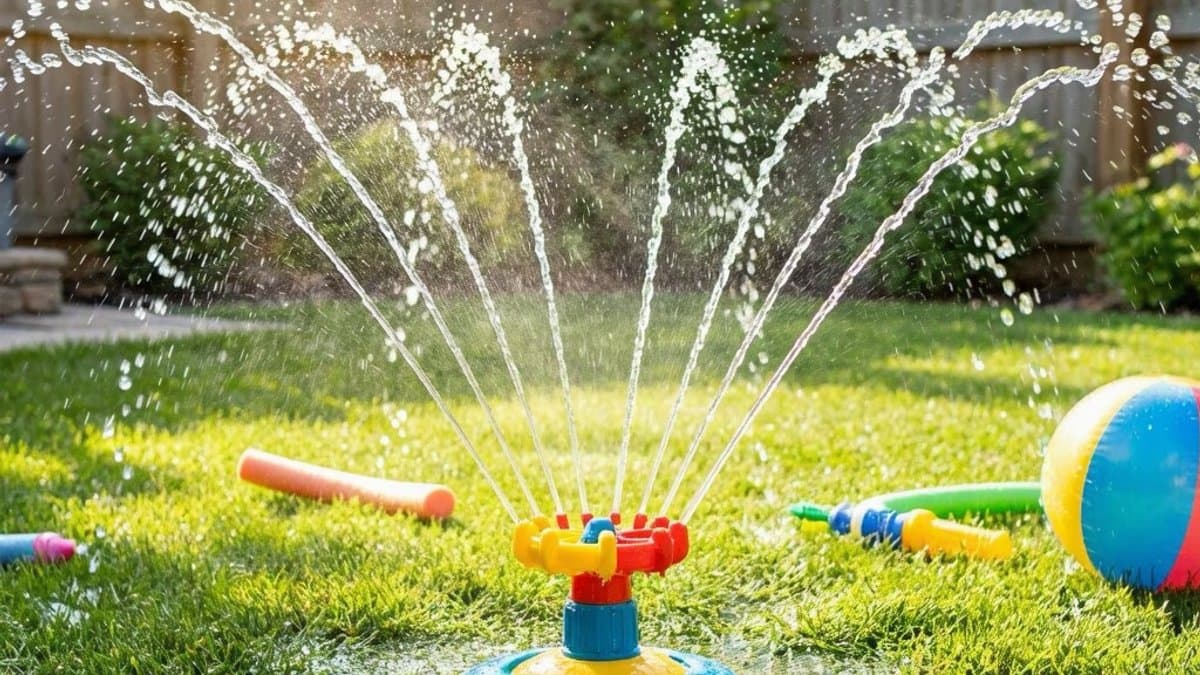
The best outdoor toys for kids are the ones that get used over and over again — not the flashy plastic gadgets that end up in the garage after a week, but the simple, well-built toys that invite movement, creativity, and hours of open-ended play. A great outdoor toy does not need batteries or instructions. It needs a child with energy to burn and a backyard (or a park, or a driveway, or a patch of grass) to play in. We have tested, researched, and watched our own kids play with hundreds of outdoor toys over the years, and this guide covers the ones that actually earn their place in your yard. They are organized by age group so you can find exactly what works for your child right now — plus a section of whole-family picks that will get everyone off the couch and into the sunshine.
Why Active Outdoor Play Matters
Before we get into specific toys, it is worth understanding why outdoor active play is not optional — it is essential. The American Academy of Pediatrics recommends at least 60 minutes of moderate-to-vigorous physical activity daily for children, and unstructured outdoor play is one of the most effective ways to meet that goal without it feeling like exercise.
Active outdoor play builds gross motor skills — running, jumping, climbing, throwing, balancing — that form the physical foundation for everything from handwriting to sitting still in a chair. Children who climb, swing, and balance develop core strength, coordination, and proprioceptive awareness (the sense of where their body is in space) that directly supports their ability to focus and learn indoors.
Beyond the physical benefits, outdoor play builds resilience. A child who falls off a balance bike, gets back on, and tries again is practicing the same persistence they will need when long division gets hard. A child who negotiates who gets the scooter first is rehearsing the social skills they will use for the rest of their life.
The right outdoor toys lower the barrier to this kind of play. They make the backyard inviting, give children a reason to go outside, and support the kind of active, imaginative, self-directed play that screens simply cannot replicate. If you are looking for more ways to get your family outside, our guide to outdoor nature activities for kids is a great companion to this list.
Best Outdoor Toys for Toddlers (Ages 1-3)
Toddlers need outdoor toys that support their developmental stage — climbing, pouring, scooping, pushing, and riding. The best toys for this age group are sensory-rich, safe for unsteady feet, and open-ended enough to grow with your child.
Pikler Climbing Triangle
A Pikler climbing triangle is one of the best investments you can make for a toddler. This simple wooden climbing frame lets young children pull up, climb, straddle, and eventually scale the rungs at their own pace. It supports gross motor development, builds confidence, and respects the child's natural desire to climb without the risks of playground equipment designed for older kids.
Many Pikler triangles fold flat for storage and can be used indoors or outdoors. Some come with ramp attachments that double as slides. A quality triangle will last from about 10 months through age 5 or 6, making it one of the most cost-effective outdoor toys per year of use.
Water Table
If you buy one outdoor toy for a toddler, make it a water table. The Step2 Water Table and Little Tikes water table are the two most popular options, and both are excellent. Water tables keep toddlers engaged for remarkably long stretches — 30 minutes to an hour is common — because the play possibilities are endless. Pouring, scooping, splashing, floating boats, washing rocks, making "soup" with leaves and petals.
Water tables also support the kind of sensory play that is critical for toddler development. The combination of water, tools, and imagination provides exactly the kind of input toddler brains crave. Fill it with water in summer, rice or dried beans in cooler months, and it becomes a year-round sensory station.
Balance Bike
A Strider balance bike teaches children to balance on two wheels without the complication of pedals. Most children who learn on a balance bike transition directly to a pedal bike without ever needing training wheels. The Strider brand is the industry standard because of its lightweight frame, adjustable seat, and durability — these bikes get passed down through multiple siblings and still hold up.
Start a balance bike around 18 months to 2 years. Children begin by walking while straddling the bike, then progress to gliding with their feet off the ground. The confidence and balance they develop transfers directly to riding a pedal bike at age 4 or 5.
Sandbox
A good sandbox with a cover is another multi-year outdoor staple. Sand play develops fine motor skills, spatial awareness, creativity, and social skills when siblings or friends play together. Add a few scoops, cups, dump trucks, and molds, and you have an outdoor toy that holds attention from age 1 through age 7 or beyond.
Look for a sandbox with a lid to keep out rain, animals, and debris. Wooden sandboxes are more durable and attractive than plastic, but plastic options with built-in covers are more affordable and perfectly functional.
Large Sidewalk Chalk
Large sidewalk chalk is the ultimate low-cost, high-reward outdoor toy. Toddlers can grip the thick sticks easily, and a bucket of chalk turns any driveway or patio into a canvas. Draw roads for toy cars, hopscotch grids, targets to throw beanbags at, or just let toddlers scribble freely. Chalk washes away with rain, so there is zero cleanup and infinite reuse.
Bubble Machine
A bubble machine turns your backyard into a wonderland for very little money. Toddlers are mesmerized by bubbles — chasing, popping, and trying to catch them builds coordination, visual tracking, and gross motor skills. An automatic bubble machine frees you from constant bubble-blowing duty and produces more bubbles than any wand can manage. Keep extra bubble solution on hand, because this toy gets daily use in warm weather.
Best Outdoor Toys for Preschoolers (Ages 3-5)
Preschoolers are ready for faster movement, more complex play, and toys that challenge their growing physical abilities. They want to go fast, build things, and play pretend on a grand scale.
Plasma Car
The Plasma Car is an engineering marvel disguised as a toy. It has no batteries, no pedals, and no gears — children sit on it and turn the steering wheel back and forth to propel themselves forward using gravity and centrifugal force. It works on any smooth, flat surface (driveways, patios, gym floors) and provides a surprisingly good core workout. Kids from age 3 through age 9 ride these obsessively, and adults regularly steal them.
Stomp Rocket
Stomp Rockets are pure joy. Children jump on an air-powered launcher to send foam rockets soaring up to 200 feet in the air. There is nothing to plug in, nothing to break, and the simple cause-and-effect of stomping hard and watching the rocket fly never gets old. This toy combines gross motor activity (jumping), physics (air pressure, trajectory), and the universal human thrill of launching things into the sky.
Kid Gardening Set
A kid-sized gardening set with real metal tools (not flimsy plastic) turns your garden into a play space. Preschoolers are naturally drawn to digging, watering, and planting. A child-sized shovel, rake, watering can, and gloves give them the tools to work alongside you. For more on getting kids into the garden, our guide to gardening with kids for beginners covers everything from choosing easy first plants to building raised beds.
Tee Ball Set
A tee ball set introduces hand-eye coordination and the basics of batting without the frustration of a moving pitch. Set the ball on the tee, swing the bat, chase the ball. It is simple, satisfying, and builds the foundational skills for baseball, softball, and cricket. Most sets include a lightweight bat, soft balls, and an adjustable tee that grows with your child.
Scooter
The Micro Mini scooter is the gold standard for preschool scooters. Its lean-to-steer design is intuitive for young riders, the three-wheel base provides stability, and the build quality is genuinely excellent — these scooters survive years of daily use and still look good enough to pass down. Scooting builds balance, coordination, and leg strength while giving preschoolers the independence and speed they crave.
Parachute
A play parachute is one of the most versatile group play toys you can own. Children grab the edges and work together to billow it up, shake it, trap air underneath, toss balls on top, or run underneath before it settles. Parachute play builds cooperation, upper body strength, listening skills, and the kind of collective joy that only comes from doing something silly with a group. It is also a staple of PE classes, homeschool co-ops, and birthday parties for good reason.
Best Outdoor Toys for Early Elementary (Ages 5-8)
Elementary-age kids want physical challenges, real skill development, and toys that make them feel capable. This is the age when children start mastering skills — balancing, aiming, skating — and the right toys support that drive.
Slackline
A beginner slackline strung between two trees provides a physical challenge that keeps kids engaged for weeks and months as they progress from standing to walking to tricks. Slacklining builds core strength, balance, focus, and persistence in a way that few other toys can match. Most beginner kits include a training line overhead for support. This is one of those toys that adults end up using as much as the kids.
Pogo Stick
A pogo stick is a classic for a reason. It develops balance, coordination, and leg strength while providing the satisfying thrill of bouncing higher and longer with practice. Modern foam-tipped pogo sticks are safer than the metal ones from decades past. Children set personal records, compete with siblings, and practice without being told — which is the hallmark of a great outdoor toy.
Archery Set
A kids archery set with suction cup or foam-tipped arrows teaches focus, patience, and precision. Archery requires children to slow down, aim carefully, and control their bodies — skills that transfer to academic focus and emotional regulation. Set up a simple target in the backyard and watch children practice for far longer than you expect. This is an especially good option for children who do not enjoy team sports but want a physical challenge.
Roller Skates
A quality pair of kids roller skates with adjustable sizing provides years of active play. Skating builds balance, leg strength, and confidence. Adjustable skates grow with your child's feet, making them a better investment than fixed-size options. Start on a smooth, flat surface like a driveway or tennis court, and consider adding a helmet and knee pads for the learning phase.
Disc Golf Set
A disc golf set for kids introduces a sport that the whole family can play in parks and open spaces. Disc golf develops throwing accuracy, distance estimation, and strategic thinking. Many communities have free disc golf courses in public parks, making this an incredibly affordable hobby after the initial disc purchase. It is also a wonderful way to explore new parks and trails — pair it with our tips for hiking with kids for a full outdoor adventure day.
Kite
A kite is outdoor play at its most timeless. Flying a kite teaches children about wind, aerodynamics, and patience while getting them running across open fields. Look for delta or parafoil kites for beginners — they are the easiest to launch and the most forgiving in variable winds. A good kite costs under fifteen dollars and provides afternoons of entertainment with nothing but wind and open space.
Best Outdoor Toys for the Whole Family
These toys turn the backyard into a gathering place for all ages. They are the toys that come out at barbecues, holiday gatherings, and lazy weekend afternoons when the whole family needs to move.
Spikeball
Spikeball is the backyard game that has swept through parks and beaches over the past decade, and for good reason. Two teams of two bounce a ball off a small trampoline net in the center. It is fast, competitive, physical, and generates the kind of diving, laughing, trash-talking energy that makes outdoor time irresistible. Children as young as 6 can play with modified rules, and by age 9 or 10 they will be beating the adults.
Cornhole Set
A cornhole set is the most universally beloved backyard game for mixed-age groups. The rules take 30 seconds to learn, anyone from age 4 to 84 can play, and the skill ceiling is high enough that it stays interesting. Cornhole is the game that gets set up at every family gathering and never gets put away until dark. Regulation-size boards are best for durability and playability.
Badminton Set
A badminton set turns your backyard into a court for one of the most accessible racquet sports in the world. Badminton is easier to learn than tennis because the birdie moves slowly enough for younger players to track and hit. A net, four rackets, and a tube of birdies is all you need. This game builds hand-eye coordination, reflexes, and cardiovascular fitness while being genuinely fun for all skill levels.
Bocce Ball
A bocce ball set brings a centuries-old game to your backyard. Players take turns tossing weighted balls toward a small target ball, trying to get closest. Bocce requires strategy, touch, and spatial judgment. It moves at a relaxed pace that allows conversation between throws, making it one of the best outdoor games for multi-generational gatherings. It works on grass, sand, gravel, or any relatively flat surface.
Kan Jam
Kan Jam is a flying disc game where two-person teams try to hit or deflect a disc into a large can. It is quick to learn, highly active, and produces dramatic moments that become family legends. The combination of throwing, deflecting, and teamwork makes it engaging for kids and adults alike. Kan Jam packs down small enough to carry to the park or beach.
Croquet Set
A croquet set is a backyard classic that teaches precision, strategy, and patience. Players use mallets to hit balls through a series of wire wickets in a set order. Croquet is gentle enough for preschoolers with modified rules and strategic enough to keep adults engaged. The leisurely pace and turn-based format make it one of the most conversation-friendly outdoor games you can play.
Tips for Choosing Outdoor Toys
Not all outdoor toys are created equal. Here is how to choose toys that will actually get used.
Open-Ended Over Single-Use
The best outdoor toys can be used in multiple ways. A ball can be kicked, thrown, caught, rolled, balanced on, and incorporated into dozens of games. A battery-operated ride-on car does one thing. Open-ended toys last longer in your child's interest because the child controls the play, not the toy. Look for toys that invite creativity rather than dictate it.
Durability Matters
Outdoor toys take a beating — sun, rain, dirt, and enthusiastic children. Invest in quality where it counts. A well-built scooter or climbing triangle will outlast three cheap alternatives and cost less in the long run. Read reviews specifically about durability, not just how exciting the toy is on day one.
Storage and Accessibility
The best outdoor toys are the ones children can access independently. Store them where kids can grab them without asking — a garage bin, a porch basket, or hooks at child height. If a toy requires adult setup every time, it will not get used as often. Prioritize toys that children can carry, set up, and put away themselves.
Consider Your Space
Not every toy works in every yard. A slackline needs two trees at the right distance. Disc golf needs open space. Cornhole needs about 30 feet of flat ground. Think about your specific outdoor space and choose toys that fit. Even a small patio or apartment balcony can support chalk, bubbles, a stomp rocket, and a balance bike.
Budget-Friendly Alternatives
You do not need to spend hundreds of dollars to create an active outdoor environment. Some of the best outdoor play requires minimal or no investment.
Tire Swing
If you have a sturdy tree, a tire swing costs almost nothing and provides years of swinging, spinning, and imaginative play. A used tire, a length of rope, and a carabiner are all you need. Tire swings develop core strength, vestibular processing, and the kind of self-directed play that structured toys cannot replicate.
DIY Obstacle Course
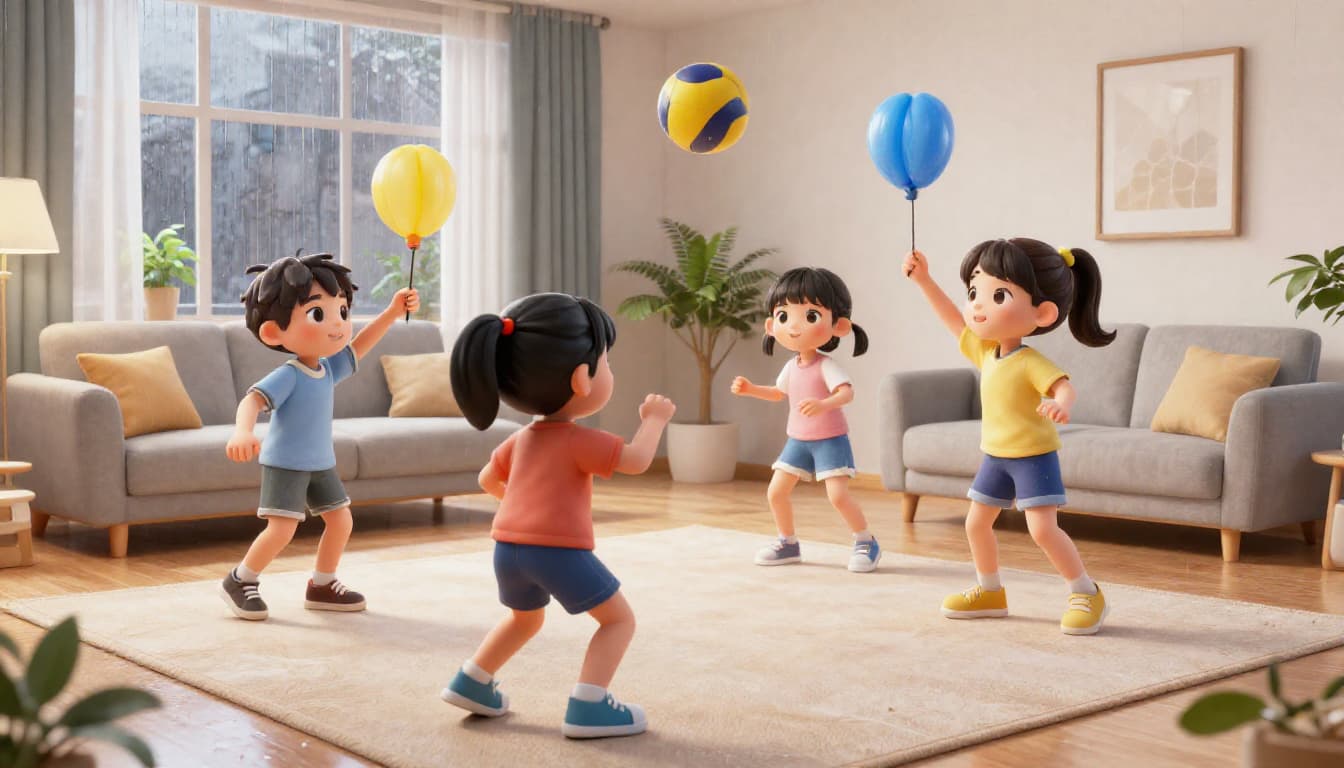
Chairs, pool noodles, hula hoops, buckets, and planks from the garage become a backyard obstacle course in 15 minutes. Children love designing their own courses as much as running them. An indoor obstacle course works on rainy days, and the outdoor version scales up with whatever materials you have on hand. This is free, infinitely customizable, and produces exactly the kind of creative physical play that children need.
Nature Play
The cheapest and often best outdoor play involves no toys at all. Sticks become swords, forts, and fishing poles. Rocks become currency, building materials, and art supplies. Mud becomes the raw material for an entire afternoon. A mud kitchen made from old pallets and thrift-store pots and pans provides the same kind of extended, imaginative, sensory-rich play as toys costing ten times as much. Sometimes the best outdoor toy is no toy at all — just space, time, and permission to explore.
Rope and Lumber
A length of rope and a few boards open up a world of building, tying, swinging, and constructing. Children can build obstacle courses, tightrope walks, pulley systems, and elevated platforms. This kind of risky play — managed by the child, not eliminated by the adult — builds physical confidence and risk-assessment skills that overprotected play environments cannot provide.
Making Outdoor Play the Default
The best outdoor toys in the world will not help if the backyard competes with a screen indoors. The most effective strategy is to make outdoor play the default, not a special occasion. Keep outdoor toys visible and accessible. Go outside yourself — children follow adults. Set a simple rule like "outside before screens" and enforce it consistently.
If your children are used to indoor entertainment, ease into it. Start with 20 minutes of outdoor time and extend it gradually. Set up invitations to play — chalk on the driveway, a ball near the door, the bubble machine already blowing. For more screen-free ideas across every season, our collection of screen-free activities for toddlers and backyard games for kids will keep your family moving outdoors all year long.
The right outdoor toys do not replace childhood — they support it. They give children reasons to run, climb, throw, balance, build, and play in the fresh air. They invite siblings and neighbors to join in. They create the kind of tired, grass-stained, sun-kissed afternoons that children remember for the rest of their lives. Pick one or two from this list, put them in the yard, and watch what happens.
Frequently Asked Questions
- What are the best outdoor toys for toddlers?
- For toddlers (1-3), look for: a water table, sandbox with tools, a small slide or climbing triangle (like Pikler), a balance bike, and large sidewalk chalk. Prioritize toys that encourage movement, sensory exploration, and open-ended play.
- What outdoor toys last the longest?
- The best long-term investments are a quality swing set, a trampoline with safety enclosure, a sandbox, and a set of good sports equipment (balls, bats, jump ropes). These get years of use across multiple ages.
- How do I get my kids to play outside more?
- Make the outdoors inviting with accessible toys, create a mud kitchen or sensory garden, set up a reading nook outside, and most importantly — go outside with them at first. Kids play outside more when the environment is set up for it.
Enjoying this article?
Get more ideas like this delivered to your inbox every week.